Camping doesn’t have to cost money if you know where to look. You can legally camp for free on millions of acres of public land across the United States, including national forests, Bureau of Land Management areas, and many state forests.
These spots let you set up camp without reservations or fees while enjoying views and solitude you won’t find at crowded campgrounds.
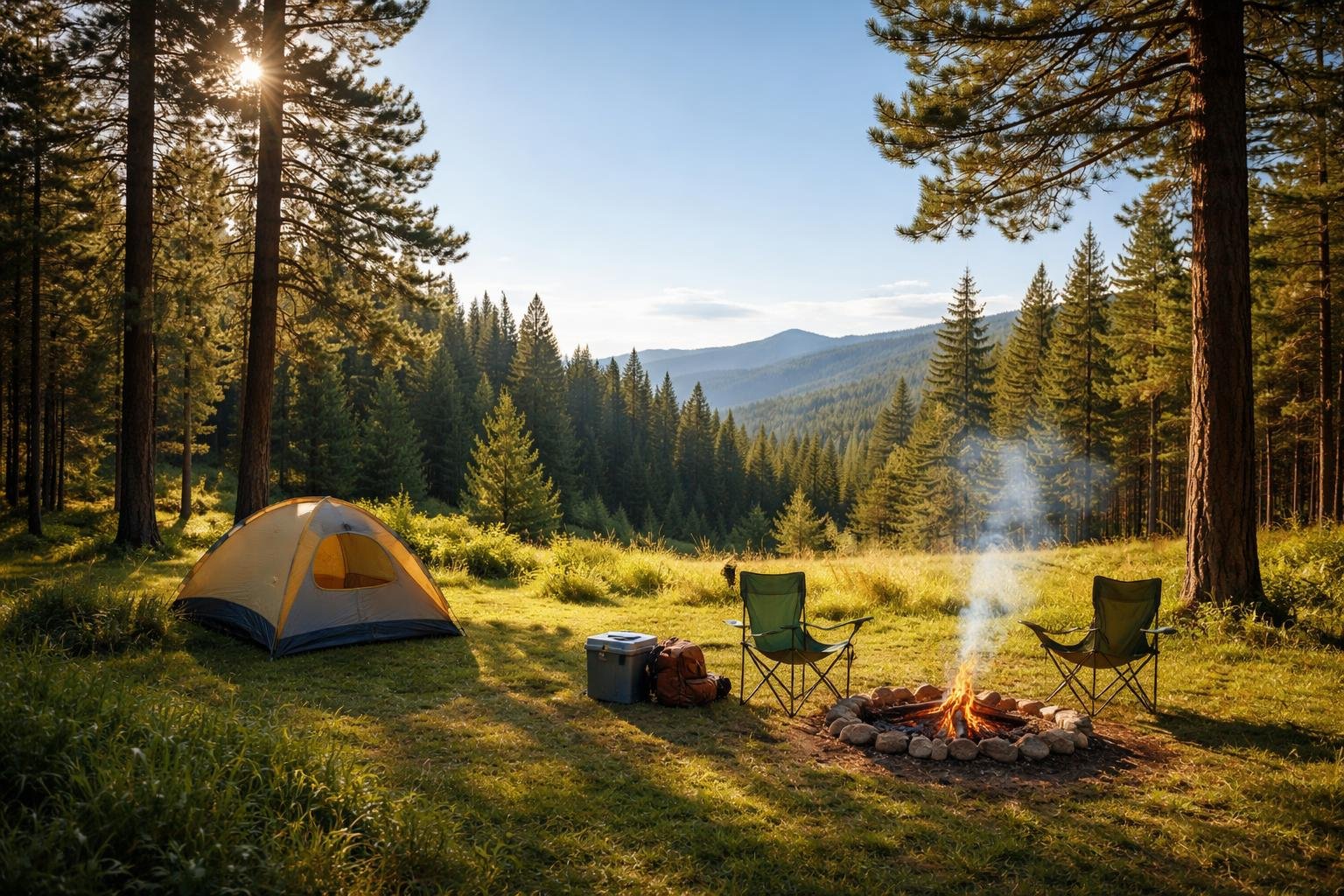
Finding free dispersed camping might seem tricky at first, but it’s actually pretty simple once you learn the basics. The right apps and tools make it easy to locate legal spots, check land ownership, and plan routes to hidden campsites.
Whether you’re exploring the desert Southwest or the forests of the Midwest, free camping opens up a whole new way to travel.
This guide walks you through everything you need to know about finding your own free campsites. You’ll learn which public lands allow camping, which apps to use, how to scout locations, and what rules to follow to stay safe and legal.
Key Takeaways
- Free camping is available on national forests, BLM land, and many state forests across the country
- Apps like OnX Offroad and iOverlander help you find public land and verify legal camping spots
- Always check local rules, arrive with daylight left, and follow Leave No Trace principles
What Is Free Camping and Where Is It Allowed?
Free camping lets you sleep outdoors without paying campground fees, typically on public lands where basic amenities like restrooms and hookups aren’t available.
You can find these spots on millions of acres managed by federal agencies, as well as at certain businesses that allow overnight parking.
Understanding Free, Dispersed, and Primitive Camping
Dispersed camping refers to camping outside of developed campgrounds on public lands. You won’t find marked campsites, picnic tables, or fire rings in most locations.
Primitive camping means camping with minimal amenities in undeveloped areas. These terms basically mean the same thing.
You’re camping in wild spaces where you need to be self-sufficient. Most areas require you to set up camp at least 200 feet from water sources.
You’ll need to pack in everything you need and pack out all your trash. Many locations limit stays to 14 days in the same spot.
Free camping demands more preparation than staying at a developed campground. You should bring your own water, portable toilet options, and camping gear that doesn’t rely on electricity.
Public Lands: National Forests, BLM, and More
The United States Forest Service manages 154 National Forests and 20 National Grasslands totaling 193 million acres. Camping on public lands is generally permitted unless posted otherwise.
Bureau of Land Management (BLM) land covers 245 million acres across the western states. BLM land sees 75% fewer visitors than National Forests, giving you more solitude.
States like Utah, Nevada, California, and Alaska have extensive BLM holdings. Some National Parks offer free dispersed camping in certain areas, though this varies by location.
State forests and grasslands may also permit free camping, but you need to check regulations for each area. You can identify these lands on Google Maps by looking for green shaded areas.
Each agency maintains websites with interactive maps showing where camping is allowed and any current restrictions.
Boondocking, Dry Camping, and Overnight Parking
Boondocking typically refers to camping without hookups, especially in RVs and vans. Dry camping means the same thing—no water, electric, or sewer connections.
Many businesses allow overnight parking for travelers. Casinos often welcome RV parking in their lots without fees.
Some rest areas permit overnight stays, though you need to check each state’s Department of Transportation rules. Truck stops provide parking along with showers and dump stations for a small fee.
Certain Walmart locations still allow free overnight parking, but policies vary by store—call ahead to confirm. Cracker Barrel restaurants generally permit one-night stays in their parking lots.
These options work best when you just need a place to sleep between destinations rather than a camping experience.
How to Find Free Camping Spots: Step-By-Step
Finding free camping spots requires using the right digital tools to identify public lands and verify you can legally camp there. You’ll need apps to check land ownership, websites to discover existing campsites, and offline maps to navigate when cell service drops.
Using Websites and Camping Apps
Start your search with websites like freecampsites.net, which features an interactive map showing free camping locations across the country. The site includes user-submitted spots with details about amenities and accessibility.
Campendium offers another comprehensive database of free and paid campsites. You can filter by price, read reviews from other campers, and see photos of actual sites.
iOverlander works as both an app and website with pins marking campsites shared by travelers. It gives you a starting point for camping areas nearby.
Keep in mind that not all spots listed are legal or current, so you need to verify before setting up camp. Download camping apps before you head out so you can access them without internet.
Many apps let you save locations, create custom lists, and plan routes entirely offline.
Mapping Public Lands and Land Ownership Overlay
OnX Offroad is the most valuable tool for dispersed camping because it shows public land overlays in different colors. The app displays National Forests, BLM land, and state forests so you can see exactly where legal camping is allowed.
The land ownership overlay feature lets you zoom in and identify who owns each parcel. This prevents you from accidentally camping on private property.
OnX also shows trail types, road difficulty ratings, and lets you download offline maps for areas without cell service. Regrid offers 25 free daily searches to verify land ownership when you’re uncertain about a spot.
While it sometimes shows generic labels like “United States” instead of specific forest names, it still helps you determine public versus private boundaries. Google Maps satellite view helps you scout potential sites by showing clearings, dirt roads, and flat areas that might work for camping.
Trip Planning and Finding Camping Near You
Pick your general destination first, whether that’s a specific town, national forest, or region you want to explore. Open your camping apps and look for public land in that area using the land ownership layers.
Switch to satellite view and trace dirt roads leading into public land. Look for pull-offs, open clearings in wooded areas, or flat desert spots that show signs of previous use.
Plan your route by making sure there’s accessible road access from main highways. Check for locked gates, seasonal closures, or terrain your vehicle can’t handle.
Save pins for multiple backup spots in case your first choice doesn’t work out. Verify the camping rules for that specific area by checking the U.S. Forest Service website or BLM.gov.
Some areas have 14-day stay limits, fire restrictions, or permit requirements. Arrive with at least two hours of daylight left so you have time to find an alternative if needed.
Popular Types of Free Camping Locations
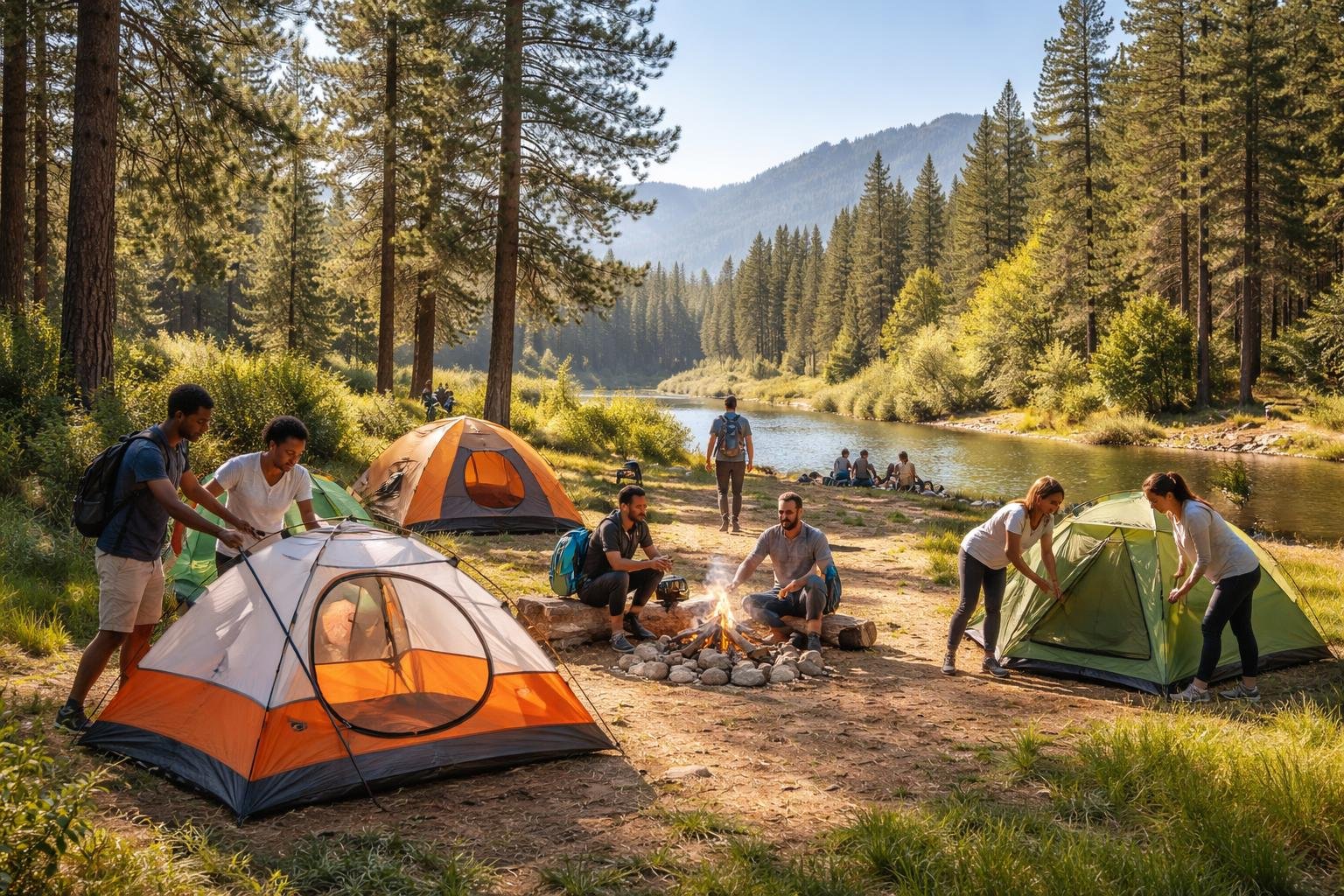
Public lands across America offer thousands of free camping spots, from remote desert landscapes managed by federal agencies to local parks near your hometown.
Understanding where you can legally camp without paying fees helps you plan better trips and discover hidden gems.
National Forest and Bureau of Land Management Camping
National Forests and BLM land give you some of the best options for free camping in America. BLM manages nearly 250 million acres spread across the western United States.
You can camp almost anywhere you want on most BLM land without needing a permit. National Forests work similarly but have slightly different rules depending on which forest you visit.
Both types of land usually let you stay up to 14 days in one spot before you need to move. You won’t find bathrooms, water, or marked campsites in most areas.
Some popular spots include Lake Powell in Arizona, Alabama Hills in California, and Canyon Rims in Utah. Finding these locations requires some research.
You can use apps like The Dyrt or websites like freecampsites.net to locate specific areas. Google Maps also helps since National Forests appear in light green on the map.
Wildlife Management Areas and Army Corps of Engineers Sites
Wildlife Management Areas offer free camping in many states, though rules vary widely by location. You’ll need to check regulations for each specific area before setting up camp.
Some require permits while others allow you to camp freely. Army Corps of Engineers sites provide surprisingly nice free camping near dams and waterways.
These spots often include basic amenities like picnic tables, vault toilets, and sometimes even showers. The sites stay well-maintained compared to more primitive options.
Corps of Engineers campgrounds work great if you want something between paid campgrounds and totally undeveloped land. You get some structure and facilities without paying fees.
State Parks, City Parks, and Other Public Lands
State parks occasionally offer free camping, but it’s less common than federal lands. Pennsylvania and a few other states maintain free or very cheap permit sites in their state forests.
Most state parks charge fees, so you’ll need to research individual parks. City parks rarely allow overnight camping except in designated areas.
Some cities permit it in specific parks or during certain events. Other public lands like county forests or regional parks sometimes allow free camping.
Rules change drastically depending on where you live. Eastern states generally have fewer free camping options than western states because there’s less public land available.
Top Free Camping Spots and Featured Destinations
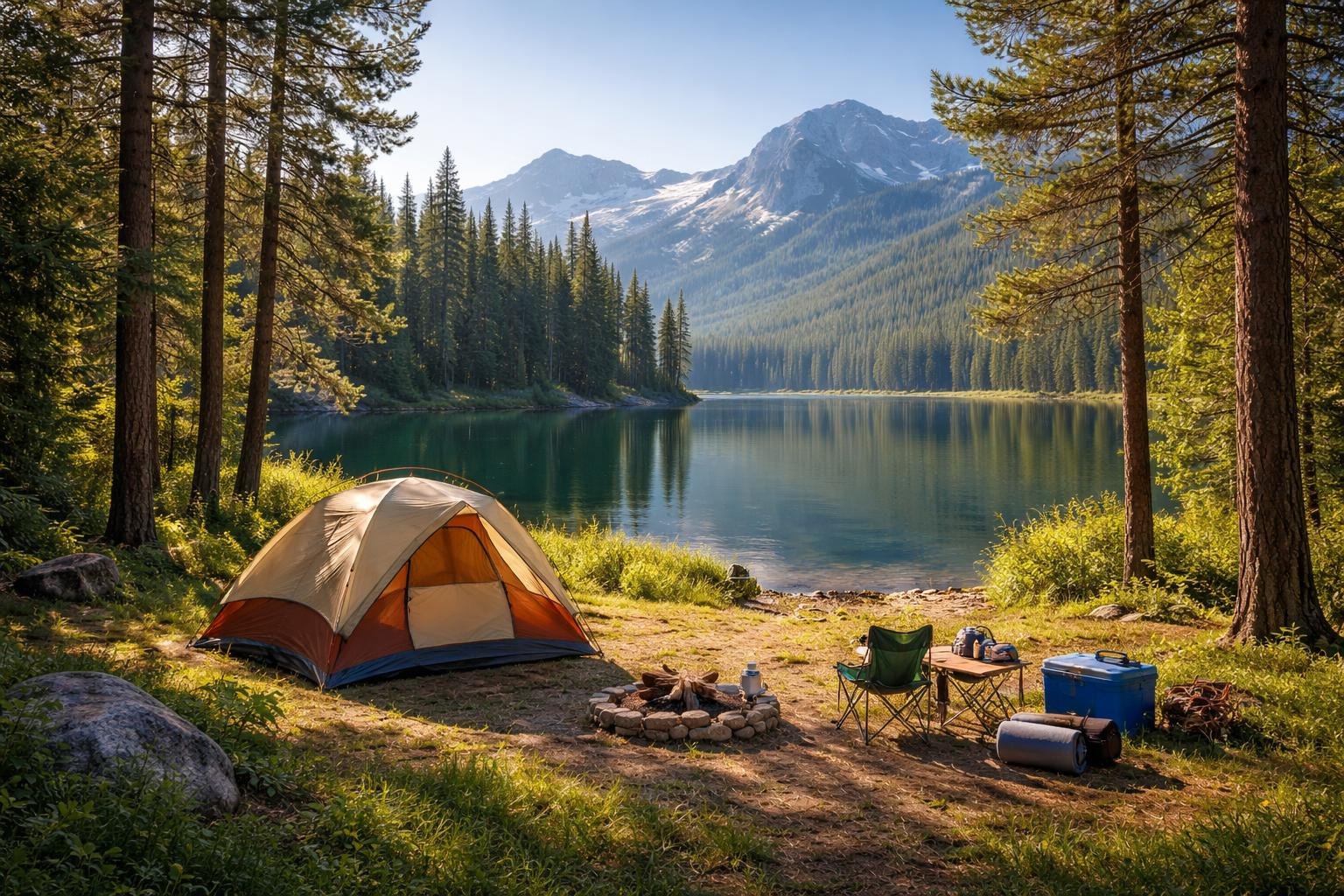
Free camping opportunities exist across all regions of the United States, from coastal areas to mountain ranges.
The best free camping spots typically offer natural beauty, solitude, and easy access without sacrificing too much convenience.
Notable Free Camping Areas by Region
Western States
The western United States offers some of the most abundant free camping options. You’ll find excellent free campsites in National Forests throughout California, Oregon, and Washington.
BLM land in Utah, Nevada, and Arizona provides desert camping with stunning red rock formations and wide-open spaces.
Mountain Regions
Colorado and Wyoming feature high-elevation free camping spots near mountain peaks and alpine lakes. National Grasslands in the Dakotas offer a different landscape with prairie views and big skies.
Southern States
The South has free camping opportunities in Florida and other Gulf Coast states. National Forests in Tennessee, Arkansas, and Mississippi provide wooded campsites with mild weather most of the year.
Eastern States
While less common than out west, eastern states still have dispersed camping options. National Forests in the Appalachian region offer forested sites with access to hiking trails and streams.
What Makes the Best Free Camping Spots
The best free camping locations share several key features. Accessibility matters most—you want a spot your vehicle can reach without getting stuck on rough roads.
Good free campsites have level ground for setting up your tent or parking your RV. Privacy and scenery rank high for most campers.
The ideal spot sits away from other campers and offers views of mountains, water, or forests. Look for established sites with existing fire rings when possible, as these show where others have camped successfully before.
Proximity to water sources helps, though you should always bring your own drinking water. Nearby lakes, rivers, or streams add to the experience.
The best spots also have reasonable cell service or are close enough to civilization that you can get help if needed, but far enough away to feel secluded.
Essential Tips for a Great Free Camping Experience
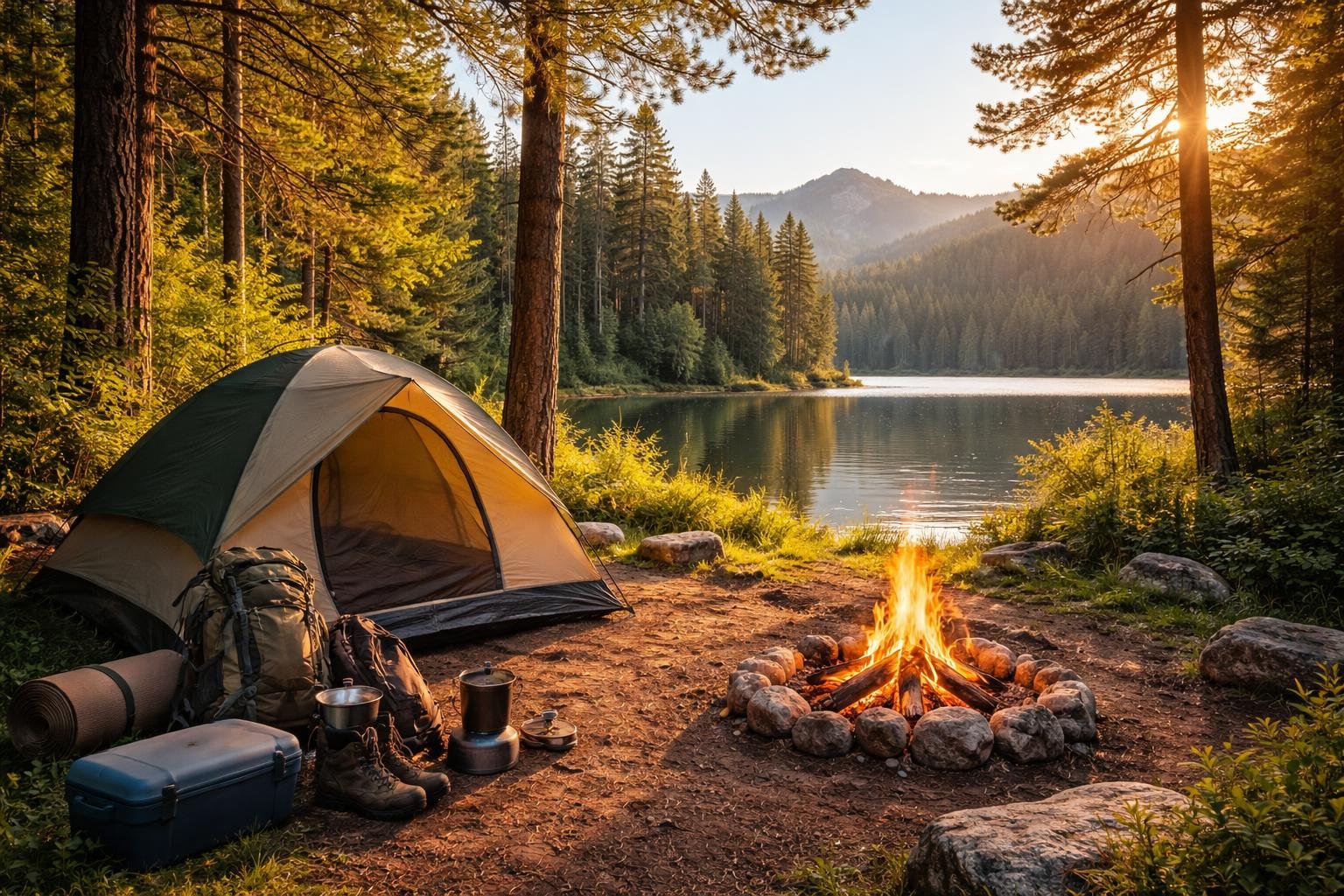
Success with free camping depends on checking road conditions before you leave. Understanding what amenities will be available is also important.
Know your options for overnight stops along the way.
Arrival, Road Conditions, and Site Selection
Check road conditions before heading to your campsite. Many free camping areas require travel on unpaved forest service roads that can become impassable after rain or snow.
Call the local ranger station to ask about current conditions and whether your vehicle can handle the terrain. Arrive at your campsite with plenty of daylight left.
This gives you time to find a suitable spot and set up camp before dark. For tent camping, look for level ground away from dead trees or branches that could fall.
RV camping requires more space and a flat surface to park safely. Choose established campsites when possible to minimize your impact on the environment.
Look for fire rings and cleared areas that show previous use. Stay at least 200 feet away from lakes and streams to protect water sources.
Avoid creating new campsites in pristine areas.
Cell Service, Dump Stations, and Amenities
Expect little to no cell service at most free camping locations in national forests. Download offline maps and directions before you leave home.
Let someone know your plans and expected return date since you won’t be able to call for help easily. Free campsites typically lack amenities like dump stations, restrooms, or potable water.
Bring enough water for drinking, cooking, and washing. Plan to pack out all your trash and waste.
For RV camping, you’ll need to arrive with full water tanks and empty waste tanks. Research paid campgrounds with dump stations along your route for when you need to empty tanks.
Many rest stops and some gas stations offer dump facilities for a small fee.
Overnight Parking, Truck Stops, and Harvest Hosts
Walmart parking lots often allow free overnight parking for RVs, but always check with store management first. Some cities ban overnight parking in commercial lots.
Look for signs or ask inside before setting up for the night. Truck stops welcome RVs and car camping for quick overnight stays.
They offer bright lights, security, and 24-hour restrooms. You won’t get a nature experience, but they work well when you need a safe place to sleep between destinations.
Harvest Hosts connects RVers with farms, wineries, and ranches that allow overnight stays on their property. You pay a yearly membership fee but the actual camping is free.
It’s a great middle ground between primitive camping and paid campgrounds.
Rules, Safety, and Camping Etiquette
Free camping comes with important responsibilities that protect the land and keep everyone safe. Understanding fire restrictions and following Leave No Trace principles ensures these beautiful spots stay open for future campers.
Leave No Trace Principles and Local Regulations
The seven Leave No Trace principles form the foundation of responsible camping. You need to plan ahead and prepare by researching your destination’s specific rules.
Always travel and camp on durable surfaces like established sites or rock to avoid damaging vegetation. Dispose of waste properly by packing out everything you bring in.
This includes trash, food scraps, and toilet paper. Leave what you find means not picking plants, moving rocks, or taking natural souvenirs home.
Minimize campfire impact by using a camping stove when possible. Respect wildlife by observing from a distance and never feeding animals.
Be considerate of other visitors by keeping noise levels down and maintaining distance between campsites. Local regulations vary widely across different public lands.
Some areas limit your stay to 14 days within a 30-day period. Others require permits even for free camping.
You should always check posted signs and contact the local ranger station before setting up camp.
Fire Restrictions and Responsible Camping
Fire restrictions change based on season and weather conditions. Many free camping areas implement stage 1 or stage 2 fire bans during dry periods.
Stage 1 typically allows contained campfires in metal rings, while stage 2 bans all open flames including campfires. You must check current fire restrictions before your trip.
Most land management websites post updated restrictions, and rangers can provide real-time information. Breaking fire restrictions can result in hefty fines and even criminal charges.
When fires are allowed, keep them small and use existing fire rings. Never leave a fire unattended and make sure it’s completely cold before leaving.
Pour water on the ashes and stir them until you can touch them with your bare hand. Responsible camping also means respecting quiet hours, typically from 10 PM to 6 AM.
Keep your campsite clean and set up at least 200 feet from water sources to protect water quality and wildlife access.
Frequently Asked Questions
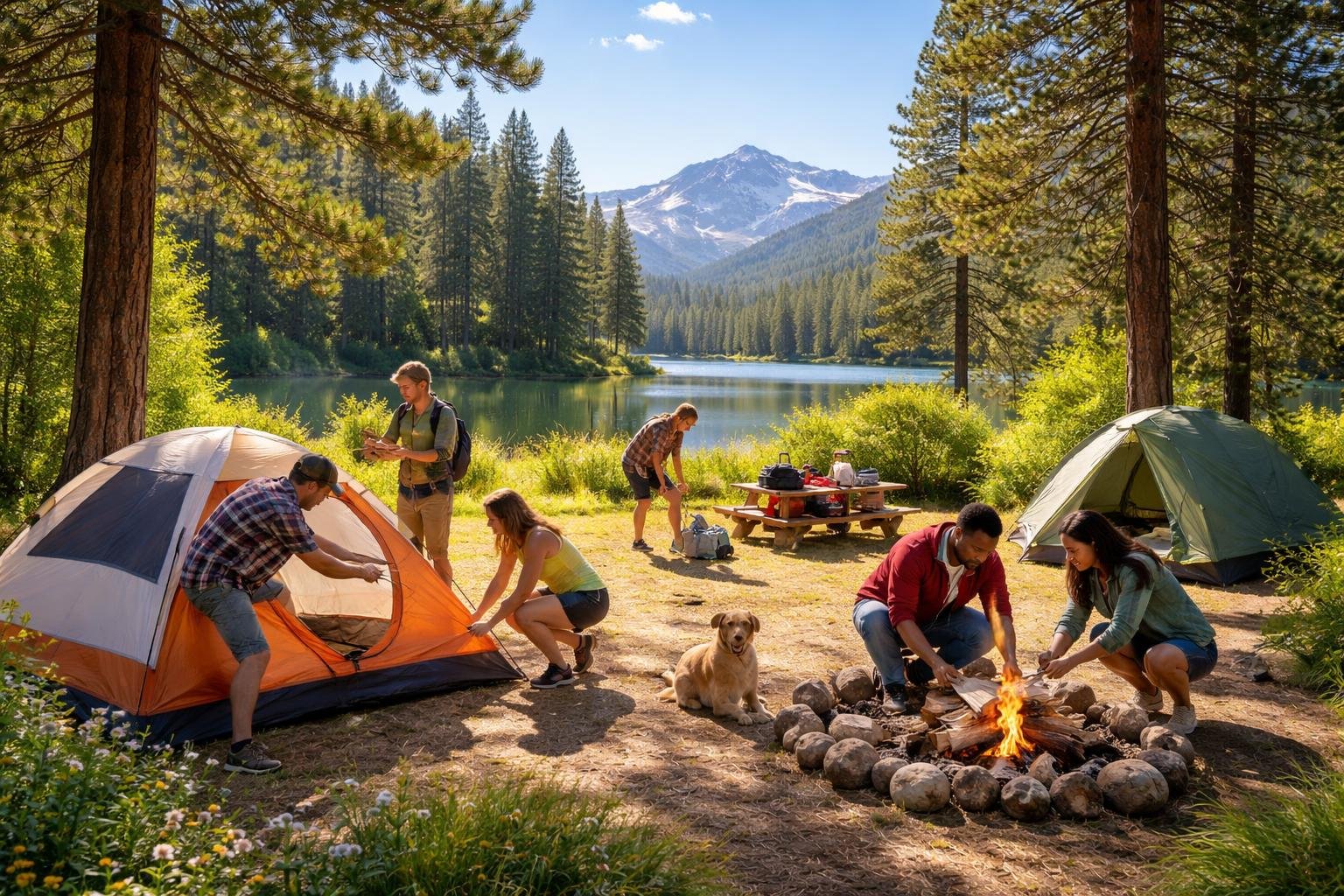
Free camping across the US involves understanding specific rules for different types of public lands. Each type of land has its own regulations about where you can set up camp and how long you can stay.
What are some tips for locating free dispersed camping sites?
Start by using apps and websites designed specifically for finding free campsites. Campendium and Freecampsites.net offer search filters that let you narrow down options by location and camping type.
Google Earth works well for identifying public lands where dispersed camping is allowed. Look for areas marked in green, which typically indicate national forests and grasslands.
Call the local ranger station before you go. They can tell you about current fire bans, road conditions, and which areas are open for camping.
Check reviews from other campers to learn about site conditions. Many free camping websites include photos and detailed information from previous visitors.
Can I camp anywhere in a National Forest for free?
You can’t camp just anywhere in a national forest. Some areas are marked as off-limits to protect sensitive ecosystems or for safety reasons.
Most national forests allow dispersed camping, which means camping outside of developed campgrounds. You’ll need to follow posted signs that show where camping is permitted.
National forests often require you to camp away from trails and water sources, usually at least 200 feet. Stay limits typically range from 14 to 16 days in one spot.
Some forests have designated dispersed camping areas marked on their maps. Contact the specific forest’s ranger station to learn their exact rules.
Are there any resources or maps that highlight free camping areas in the US?
The US Forest Service website provides detailed maps of national forests and their camping policies. You can search by state to find forests near your destination.
Interactive maps from the Bureau of Land Management show which BLM lands allow free camping. These maps help you identify suitable locations before you leave home.
Campendium offers a user-friendly interface with filters for free camping spots. The site includes thumbnail photos and reviews from other campers.
The National Forest Campground Guide gives information about both developed and dispersed camping options. Most of these resources are free to access online.
Is it legal to do wild camping on BLM (Bureau of Land Management) land?
Wild camping is legal on most BLM land, which covers nearly 250 million acres primarily in western states. The BLM manages this land for public use including recreation.
You can stay up to 14 days in one spot on BLM land before you need to move at least 25 miles away. After moving, you can’t return to your original site for 28 days.
Not all BLM areas allow free camping. Some developed sites charge fees, so look for dispersed camping areas if you want to avoid costs.
You must camp at least 200 feet from water sources and use existing campsites when possible. Always check with the local BLM office about fire restrictions and permits.
How can I find free tent camping spots when I’m on the road?
Download camping apps on your phone before you lose cell service. Apps like Campendium and Freecampsites.net work well for last-minute searches.
Look for national forests and BLM lands along your route. These public lands offer the most reliable options for spontaneous free camping.
Stop at local ranger stations or visitor centers to ask about nearby dispersed camping areas. Rangers can point you to spots that might not show up on apps.
Some big box stores and truck stops allow overnight parking for RVs and campers. Always check with store management first to make sure it’s permitted in that location.
Which states are known for having a lot of free camping options?
Western states have the most free camping because they contain the largest amounts of federal land. States like Nevada, Utah, Arizona, and Idaho offer extensive BLM land and national forests.
California provides numerous free camping opportunities despite its large population. The state has multiple national forests and BLM areas throughout its eastern regions.
Montana, Wyoming, and Colorado feature vast stretches of public land perfect for dispersed camping. These states combine national forests with BLM land and national grasslands.
Eastern states have fewer options. Vermont’s Green Mountain National Forest and Pennsylvania’s Allegheny National Forest offer free camping spots.
The Southeast and Northeast generally have more restrictions on public land camping than western regions.