Van Life Essentials: What You Actually Need for Life on the Road
Living in a van sounds exciting until you realize you forgot half the stuff you actually need. You might pack too…
Living in a van sounds exciting until you realize you forgot half the stuff you actually need. You might pack too much or not enough.
The essentials for van life include storage solutions, cooking gear, emergency supplies, power sources, bedding, and personal items that fit your space and lifestyle.
Getting ready for van life doesn’t have to be stressful. You don’t need every gadget or fancy item you see online.
Focus on the basics that keep you safe, fed, and comfortable on the road. This guide breaks down what you truly need for van life without the fluff.
From storage supplies and emergency kits to cooking tools and sleeping gear, you’ll learn exactly what belongs in your van. Skip the overpriced items and wasted space by packing smart from day one.
Key Takeaways
- Pack multi-purpose items and collapsible storage to save space in your van
- Emergency supplies and basic tools prepare you for unexpected situations on the road
- Kitchen essentials and proper bedding create comfort without cluttering your living space
Core Van Life Essentials
Getting your van ready means focusing on items that truly matter for daily living. The right gear keeps you organized, comfortable, and ready for anything on the road.
Fundamental Packing List
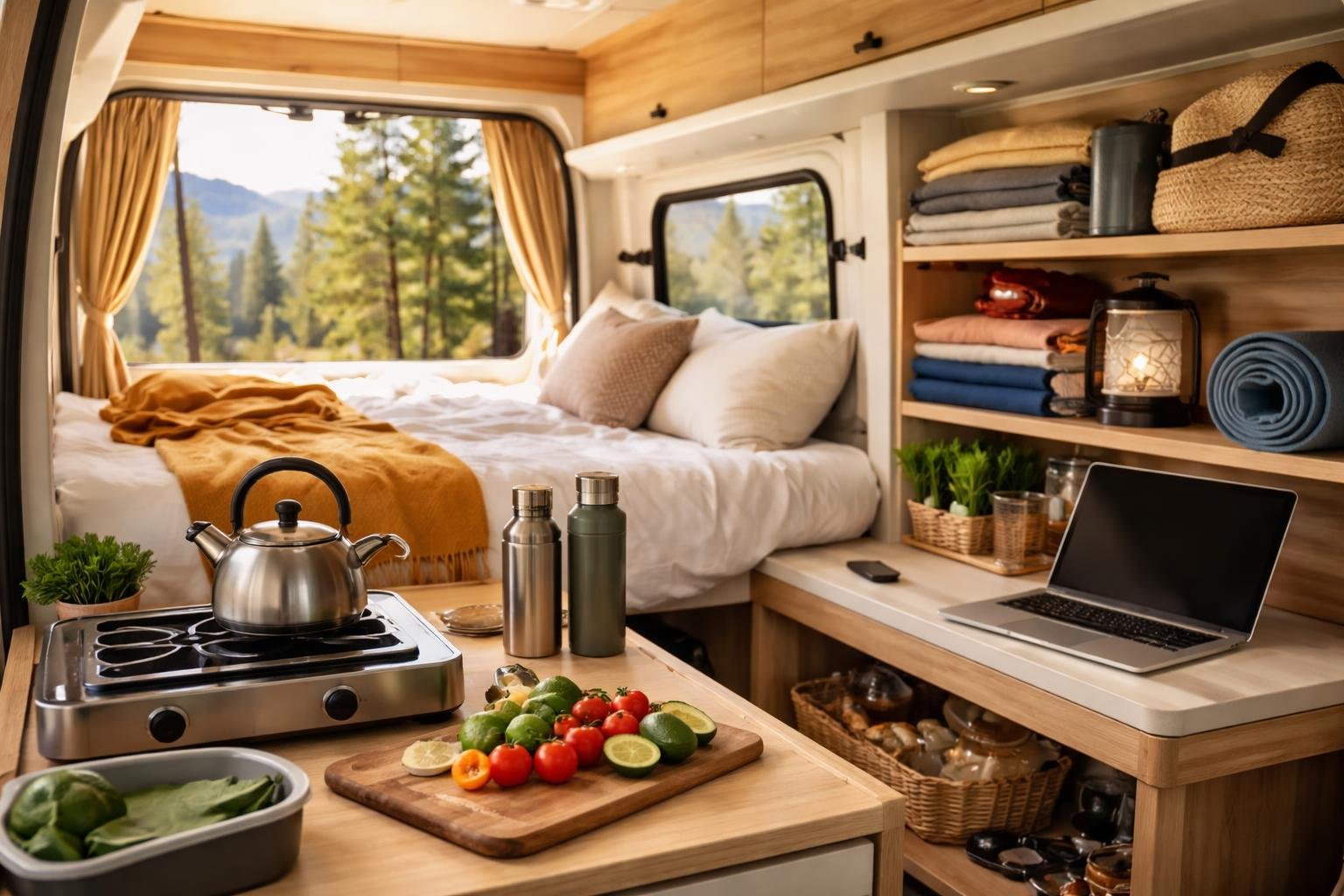
Your van life packing list needs to cover basic survival without cluttering your space. Start with a quality sleeping setup that includes bedding, pillows, and a memory foam mattress topper to cushion hard surfaces.
Kitchen basics should include a portable camping stove, collapsible cookware, utensils, plates, and a cutting board. You’ll want reusable water bottles and containers to stay hydrated.
For daily living, pack clothes for different weather conditions, toiletries, towels, and cleaning supplies. A first aid kit and basic tool kit handle emergencies.
Don’t forget lighting options like battery-powered string lights or camping lanterns for evenings. Your power setup matters too.
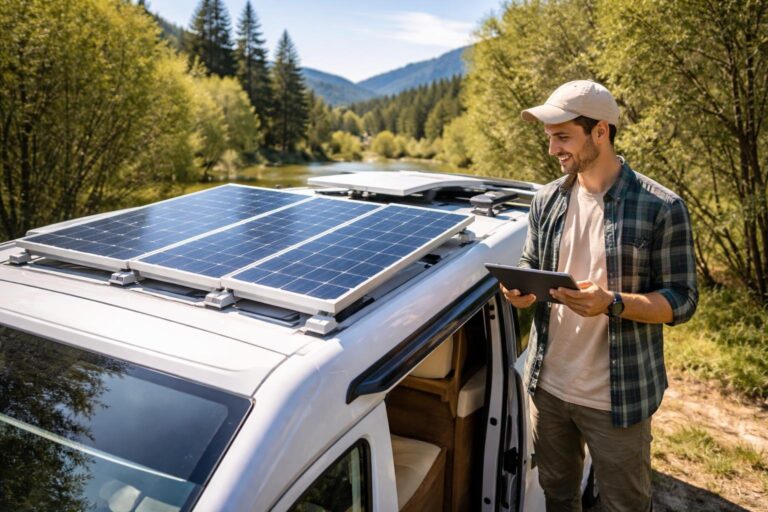
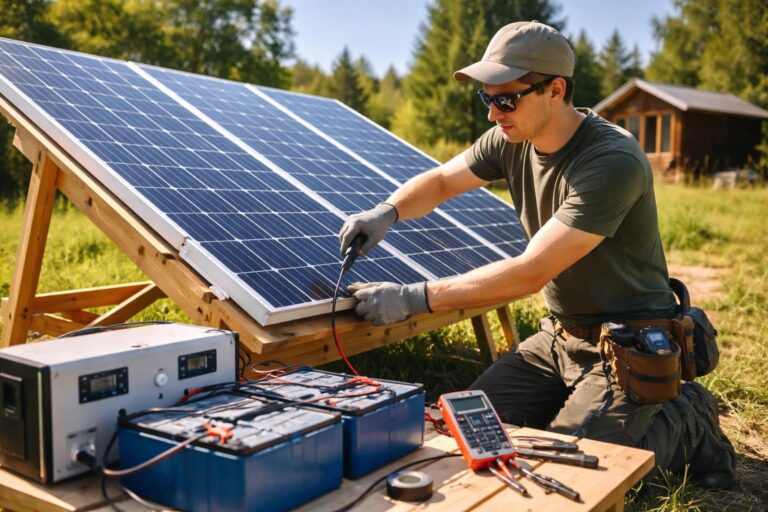
Consider a solar panel system with a deep cycle battery, USB chargers, and a power inverter if you need to charge laptops or run small appliances.
Choosing the Right Storage Solutions
Storage bins keep everything organized in tight quarters. Clear plastic containers let you see what’s inside without opening them.
Label each bin by category like “kitchen,” “clothes,” or “tools.” Packing cubes work great for organizing clothes and keeping your wardrobe compressed.
They fit easily into drawers or under-bed storage in a sprinter van or smaller vehicle. Install hanging organizers on doors or walls for frequently used items.
Magnetic strips hold knives and metal tools. Collapsible items like silicone bowls and folding tables save precious space when not in use.
Use vertical space with stackable containers and overhead nets. Bungee cords secure items during travel so nothing shifts around while driving.
Prioritizing Comfort and Functionality
Your van becomes your home, so comfort directly affects your experience. A good mattress matters more than fancy gadgets.
Add a memory foam mattress topper if your base feels too firm. Temperature control keeps you comfortable year-round.
A small fan provides airflow during hot days. For cold weather, proper insulation and a portable heater make nights bearable.
Choose multi-purpose items whenever possible. A camping chair that folds flat, cookware that nests together, and tools with multiple functions save space.
Your phone can replace separate GPS devices, cameras, and entertainment systems. Think about your daily routines when selecting van life essentials.
If you work remotely, invest in reliable internet solutions. If you cook often, prioritize kitchen equipment over other luxuries.
Safety and Emergency Must-Haves
Living in a van means you’re responsible for handling emergencies on your own, often in remote locations far from immediate help. A well-stocked safety kit protects you from roadside breakdowns, medical issues, fires, and communication failures when you need assistance most.
Roadside Emergency Kit
Your roadside emergency kit needs to cover the most common vehicle problems you’ll face on the road. Jumper cables are essential, but a portable jump starter is even better because you don’t need another vehicle to get going again.
These compact lithium-ion devices hold their charge for months and can start your engine multiple times on a single charge. A portable air compressor keeps your tires properly inflated and helps you fix flats in remote areas.
Pair it with a tire repair kit that includes plugs, patches, and a pressure gauge. You’ll also want reflective triangles or road flares to make your van visible when you’re stopped on the roadside, especially at night or in bad weather.
Keep a basic tool kit with wrenches, sockets, and screwdrivers for minor repairs. Add duct tape and zip ties for quick temporary fixes.
A flashlight with extra batteries is crucial for working on your van after dark or inspecting problems under the hood.
First Aid and Medical Supplies
Your first aid kit needs to go beyond basic band-aids. You should stock gauze pads, medical tape, antiseptic wipes, pain relievers, antihistamines for allergic reactions, and hydrocortisone cream for skin irritations.
Include supplies for treating cuts, burns, sprains, and common injuries you might get while hiking or working on your van. Add any personal prescription medications you need, plus extras in case you can’t refill them right away.
Tweezers help remove splinters or ticks. Include a thermometer, instant cold packs, and elastic bandages for sprains.
Keep your kit in an accessible spot and check expiration dates every few months. Replace items as you use them so your supplies stay fresh.
Fire Safety
A fire extinguisher rated for multiple fire types (ABC-rated) is non-negotiable in a van. Mount it somewhere you can grab quickly, like near the door or under the driver’s seat.
You need one that can handle electrical fires, grease fires, and regular combustibles. Install a carbon monoxide detector near your sleeping area.
Carbon monoxide builds up silently from propane heaters, stoves, or engine exhaust, and you won’t smell or see it coming. Get a detector with a loud alarm and replace batteries regularly.
Keep matches, lighters, and a ferro rod for starting campfires safely when you need warmth or cooking heat. Store these fire starters in a waterproof container.
Essential Safety Gadgets
A loud whistle can signal for help much more effectively than yelling, especially in remote areas. It takes less energy and carries farther than your voice.
Communication devices like a weather radio keep you informed about dangerous conditions even when you don’t have cell service. An emergency beacon or satellite messenger lets you call for help when you’re completely off-grid.
These devices send your GPS location to rescue services even where phones don’t work. A multi-tool handles countless small repairs and emergency tasks with one compact device.
Warm emergency blankets or an extra sleeping bag protect you if your heating fails during cold nights.
Power, Connectivity, and Lighting
You need reliable power to charge devices, stay connected in remote areas, and light up your van at night. Solar panels combined with battery storage give you independence from campground hookups.
Essential Power Sources
Solar panels are your best friend for off-grid camping. A 100-200 watt solar kit can keep your batteries charged during sunny days.
You’ll need a deep cycle battery to store that power for nighttime use. A portable power station like the Jackery Explorer or EcoFlow gives you plug-and-play convenience.
These units let you charge laptops, cameras, and other electronics without installing a permanent system. They’re quieter than gas generators and can be recharged through solar panels or your vehicle’s alternator.
A power inverter converts your 12V battery power to standard 110V outlets. Get at least a 300-watt inverter for basic needs like charging laptops.
If you don’t have solar yet, a portable power station serves as an eco-friendly alternative that you can charge before trips.
Device Charging and Connectivity
USB car chargers are non-negotiable. Get one with quick charge capability so your phone and tablet charge faster while driving.
A portable power bank gives you backup charging when you’re away from your van hiking or exploring. Staying connected in remote areas requires extra gear.
A cellular signal booster amplifies weak cell signals so you can make calls and use data. For true off-grid adventures, a satellite communicator like the Garmin inReach Mini lets you send messages and call for help anywhere.
These devices are lifesavers if you work remotely or travel to areas with no cell coverage.
Lighting Solutions
A good camping lantern serves as your main light source inside the van. Look for LED models that are rechargeable via USB and offer different brightness settings.
Battery-operated fairy lights create a cozy atmosphere without draining your power system. You need a headlamp or head torch for hands-free lighting when cooking or making repairs.
Keep a backup flashlight in your emergency kit too. String lights outside your van make evening hangouts more enjoyable and help you see your surroundings at night.
Van Life Kitchen Essentials
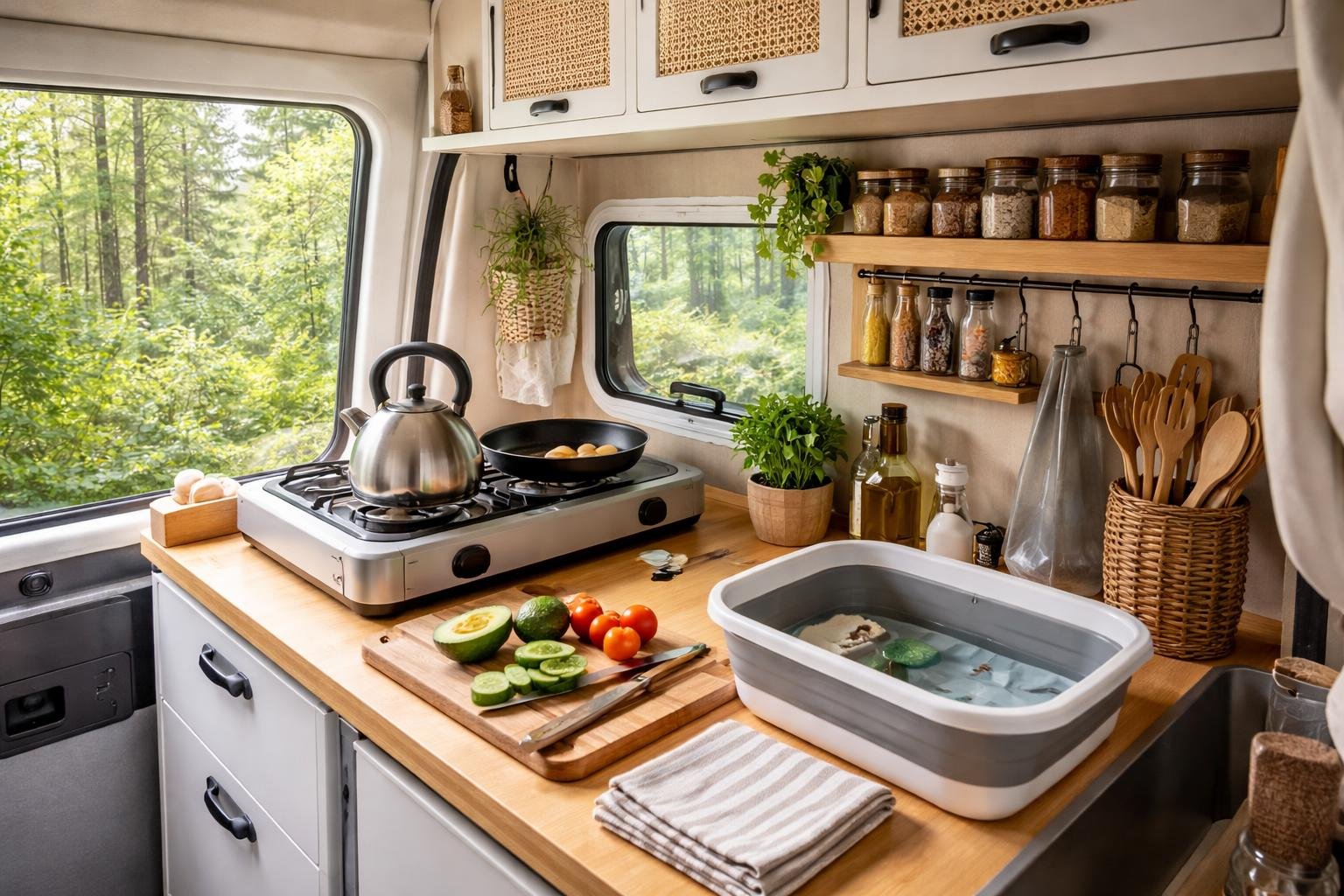
A well-equipped kitchen makes van life comfortable and lets you cook real meals instead of relying on takeout. The right gear saves space, keeps food fresh, and makes meal prep simple even in tight quarters.
Cooking Appliances and Gear
Your cooking setup depends on your power source and cooking style. A camping stove works for most van lifers because it runs on propane and doesn’t drain your battery.
Two-burner models give you enough space to cook full meals. An induction cooktop is another solid choice if you have a strong electrical system.
These cooktops heat up fast and shut off automatically when you remove the pot. They’re safer than gas stoves in small spaces.
You’ll need basic cookware like a cast iron pan, a pot with a lid, and a good knife. A collapsible colander saves cabinet space when you’re not using it.
Pack wooden spoons, a spatula, tongs, and a can opener. A camping table or portable table gives you prep space outside your van.
This keeps cooking smells out of your sleeping area and gives you more room to work.
Eating and Food Storage
Skip the fine china and grab enamel plates and bowls instead. They’re lightweight, durable, and can handle bumps on rough roads.
Bring enough utensils for two people even if you travel solo.
A portable cooler works for short trips. A 12-volt compressor fridge is worth the investment for full-time van life.
These fridges run off your vehicle’s battery and keep food cold without ice. You won’t waste money replacing melted ice or deal with soggy food.
Collapsible food storage containers are perfect for leftovers. They flatten down when empty and take up minimal space.
Store dry goods in airtight containers to keep bugs and moisture out.
A cutting board doubles as a serving platter. Bring two if you have room.
Water and Hydration
Water storage matters more than almost anything else in your van. Plan for at least 5 liters per person if you’re cooking and cleaning dishes regularly.
More is better if you’ll be camping off-grid.
A reusable water bottle like a Hydro Flask keeps drinks cold all day. These insulated bottles are tough enough for rough roads and don’t leak in your bag.
Bring a travel mug for hot drinks and a regular cup for everything else. Stainless steel options last longer than plastic and don’t hold onto flavors.
You’ll need a way to wash dishes, so grab a collapsible sink or bucket. Add biodegradable soap and a few dish towels to your van life gear.
Coffee and Hot Drinks
Coffee gear is non-negotiable for most van lifers. An Aeropress Go makes great coffee without electricity and packs down small.
It’s lighter than a French press and easier to clean.
A kettle heats water for coffee, tea, and instant meals. Electric kettles work if you have shore power, but a stovetop kettle gives you more flexibility.
Some people swear by their Bialetti Moka pot for strong espresso-style coffee.
Manual coffee grinders let you use fresh beans on the road. They’re compact van life accessories that don’t need batteries or outlets.
Grind your beans right before brewing for better flavor.
Sleeping and Living Comfort
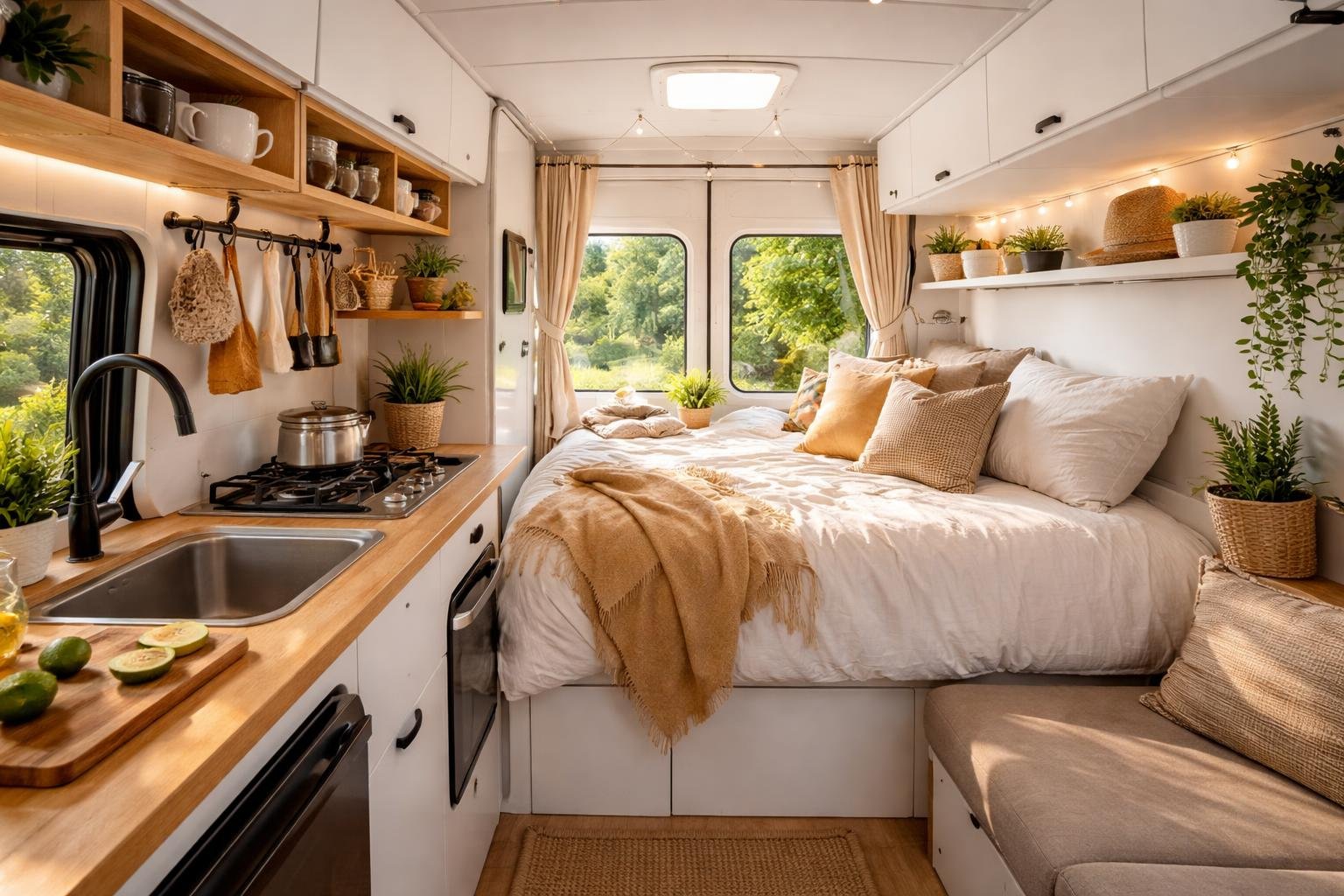
Good sleep and smart organization turn a cramped van into a livable home. The right bedding keeps you warm and rested.
Proper storage solutions help you make the most of every inch.
Choosing Bedding and Sleeping Solutions
Your bed takes up the most space in your van, so it needs to work hard for you. A custom foam mattress fits your van bed frame better than standard sizes and won’t leave awkward gaps.
Consider adding a memory foam mattress topper if you already have a basic foam pad. It adds cushioning without taking up much room.
For cold weather trips, a quality sleeping bag rated for low temperatures keeps you warm when your heater can’t run all night.
An outdoor blanket works great as an extra layer or for sitting outside at campsites. Some van lifers skip traditional beds entirely and use a hammock setup that you can take down during the day.
This gives you more living space when you’re not sleeping.
If you park near water or wooded areas, a mosquito net over your bed or windows lets you sleep with ventilation without bugs getting inside.
Staying Organized and Cozy
Packing cubes change everything when you live out of a van. They keep your clothes sorted and compressed, making it easy to find what you need without dumping everything out.
Use different colored cubes for different types of items. Put workout clothes in one, regular clothes in another, and cold weather gear in a third.
This system helps you grab what you need quickly.
Magnetic strips and hooks provide easy access to items you use daily. Stick magnetic hooks on metal surfaces for keys, headlamps, and cooking utensils.
Regular adhesive hooks work on walls for towels and jackets.
Small bins with labels keep your kitchen supplies, toiletries, and electronics from rolling around while you drive.
Maximizing Space
Overhead cabinets store light items like extra bedding and seasonal clothes you don’t need every day. Mount them securely so they don’t open while driving.
Under-bed storage holds bulkier gear like camping equipment, tools, and food supplies. Build drawers that slide out for easier access, or use plastic bins with handles.
Some van beds lift up on hinges to reveal storage underneath.
Wall space often gets wasted in vans. Add shallow shelves between wall studs for books, spices, or decorations.
Hang a fabric shoe organizer on cabinet doors to hold snacks, charging cables, or bathroom items.
Think vertical when planning your storage solutions for staying organized. Stackable containers use height instead of floor space.
Collapsible items like bowls and laundry baskets fold flat when not in use.
Bathroom, Hygiene, and Clothing Essentials
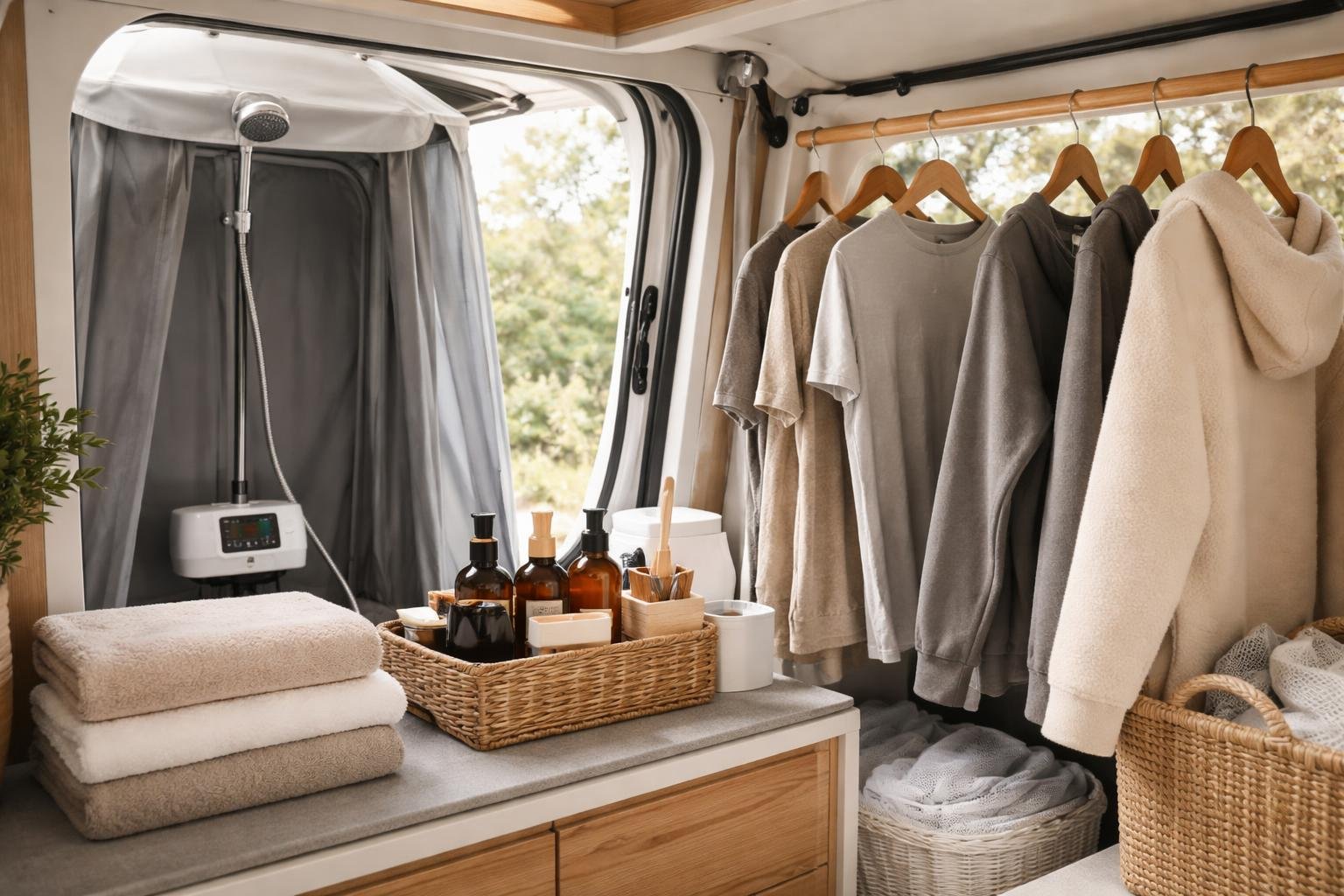
Staying clean and comfortable on the road requires smart choices about toilets, shower options, and a practical wardrobe that works in different weather conditions.
Portable Toilet Solutions
You need a reliable toilet option unless you plan to rely entirely on public restrooms. A composting toilet is one of the most popular choices for van life because it doesn’t require water hookups or dumping black water tanks.
The Laveo Dry Flush is another portable toilet option that uses special cartridges to seal waste. If you’re on a budget, a simple bucket-style portable toilet with biodegradable bags works fine for emergencies.
Don’t forget to stock up on poop bags if you have pets. You’ll also want toilet paper, hand sanitizer, and cleaning wipes to maintain hygiene between dumps.
Showers and On-the-Go Cleanliness
A solar shower bag is one of the easiest ways to stay clean without needing campground facilities. Fill it with water, leave it in the sun for a few hours, and you have a warm portable shower.
Dry shampoo becomes your best friend when water is limited. Microfiber towels dry faster than regular towels and take up less space in your van.
Pack biodegradable soap like Campsuds that works for dishes, laundry, and bathing. A hanging toiletry organizer keeps all your products accessible without cluttering limited counter space.
Basic items include toothbrush, toothpaste, shampoo, conditioner, sunscreen, and feminine products if needed.
Essential Clothing and Footwear
Your van life clothing should focus on layers rather than lots of individual outfits. Pack a good base layer for warmth, a fleece hoodie for insulation, and a waterproof jacket for rain.
Hiking boots are essential if you plan to explore trails. Wool socks like Darn Tough keep your feet warm and dry while resisting odors between washes.
Bring enough undergarments and regular socks for at least a week.
Add a swimsuit, sunglasses, and a hat for sun protection. Check the weather where you’re heading to avoid overpacking bulky items you won’t use.
A laundry bag separates clean clothes from dirty ones until you find a laundromat.
Frequently Asked Questions
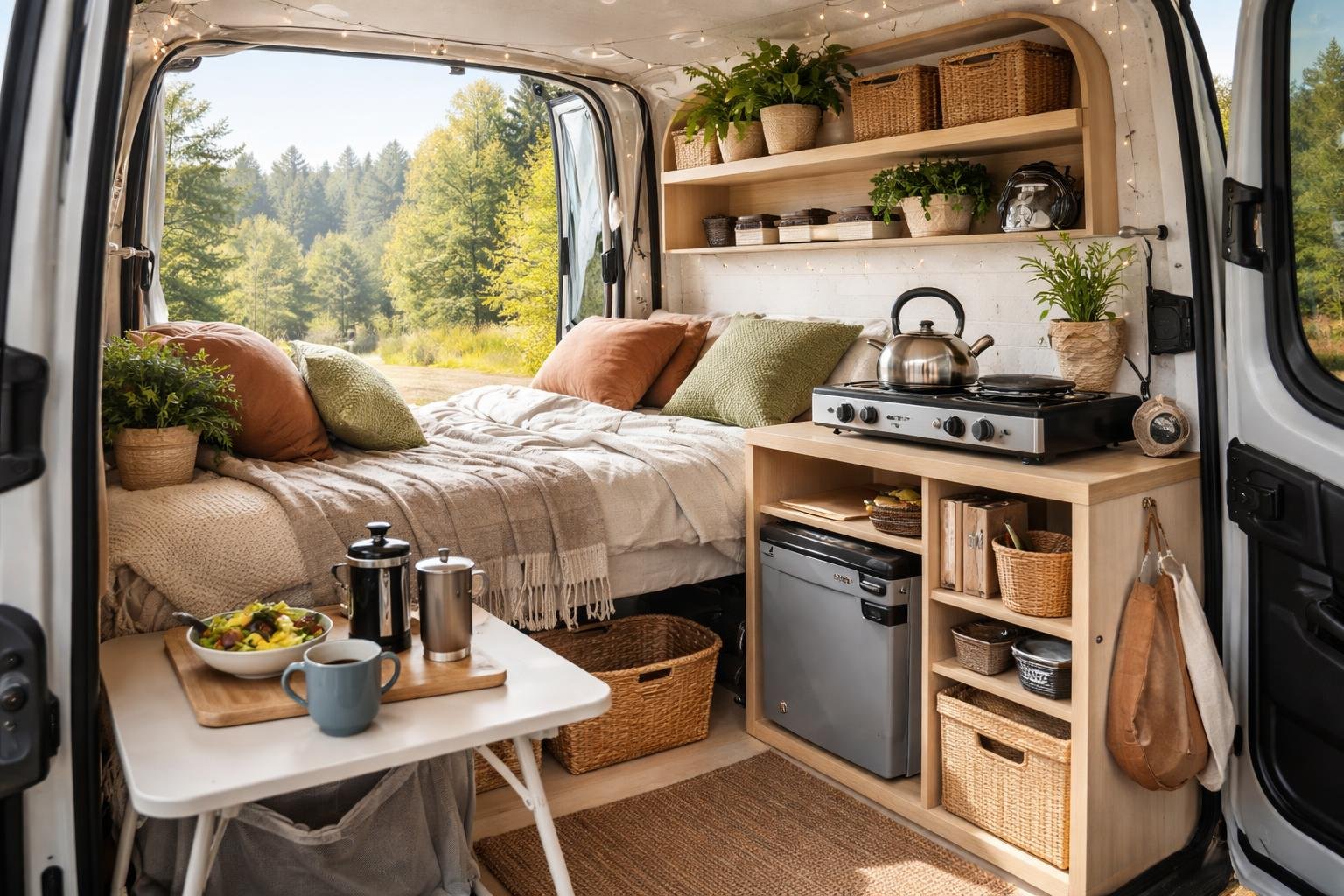
New van lifers often wonder about basic gear requirements, power systems, and space-saving solutions. These common questions cover everything from beginner essentials to practical accessories that make life on the road easier.
What must-have items should a beginner include in their van life setup?
You’ll need storage bins and packing cubes to keep your limited space organized. Bring a first aid kit with bandages, pain relievers, and antibiotic ointment for emergencies.
For cooking, pack pots and pans with removable handles so they fit in smaller spaces. You’ll want basic kitchen items like knives, a cutting board, dish towels, and a can opener.
Don’t forget personal items like soap, toothbrush, toothpaste, and sunscreen. Microfiber towels dry faster than regular ones and take up less room.
You should also pack important documents like your driver’s license, insurance cards, and some extra cash. Bring laundry bags to separate clean and dirty clothes.
Which tools and gadgets can’t you live without on the road?
A basic tool kit with a hammer, wrench, and screwdriver helps you fix things when they break. You’ll also want duct tape, scissors, and a pocket knife or multi-tool for quick repairs.
Jumper cables are essential if your battery dies in a remote location. Keep extension cords handy for connecting to power sources at campsites.
A small flashlight or headlamp helps you see in the dark. Pack extra chargers for your electronics and a charging battery as backup.
An air compressor keeps your tires properly inflated during long drives. You might also want a telescoping ladder if you install solar panels on your roof.
Any top picks for compact appliances for van living?
A small propane grill lets you cook outside when the weather’s nice. Jet Boil systems heat water fast and pack down small.
For coffee lovers, a Bialetti Mocha maker works great in tiny kitchens. Choose pots and pans that are induction compatible if you have an induction stove.
A compact refrigerator or quality cooler keeps your food fresh without taking up too much space. Hot water kettles are useful for making tea, instant meals, and cleanup.
Consider a portable space heater or fan depending on the climate where you’ll be traveling. These items help you stay comfortable without running your van’s main systems all the time.
What are the best storage solutions to maximize space in a campervan?
Clear plastic bags work better than rigid containers for food storage because you can stack and layer them in your fridge or cooler. Collapsible storage bins fold down when you don’t need them and expand when you acquire more stuff on the road.
Expandable utensil trays fit in your camper van drawers and keep silverware organized. A seat back organizer creates extra storage without taking up floor space.
Hanging toiletry organizers attach to walls or doors and keep bathroom items accessible. Packing cubes compress your clothes and make it easy to find what you need.
Use Ziploc bags in various sizes for smaller items that might get lost. They’re also waterproof, which protects important documents and electronics from moisture.
How do you handle power and electricity needs while living in a van?
Solar panels on your roof generate electricity during the day and charge your battery system. You’ll need a surge protector when plugging into campsite power sources to protect your electronics.
A Wi-Fi hotspot keeps you connected if you work remotely or need internet access. Portable bluetooth speakers let you listen to music without draining your phone battery.
Extension cords help you reach distant power outlets at campsites. Bring multiple charging cables for your devices since they’re easy to lose or damage.
Some van life setups include robust battery systems that let you go weeks without needing an RV park or campsite. Monitor your power usage carefully when you’re off-grid to avoid running out of electricity.
Could you recommend some cool van life gear accessories that are also super practical?
Window covers and blinds give you privacy and keep your van cooler in summer. Vanmade Gear makes quality options that fit different van models.
Foldable camping chairs and a picnic table create comfortable outdoor living spaces. A hammock lets you relax in nature without taking up much storage room.
MaxxTracks help you get unstuck from sand or mud when you venture off-road. Bug screens for your doors keep mosquitoes out while letting fresh air in.
A portable projector turns any flat surface into a movie screen for entertainment on rainy days. Airtags help you track important items like keys so you don’t lose them during your travels.